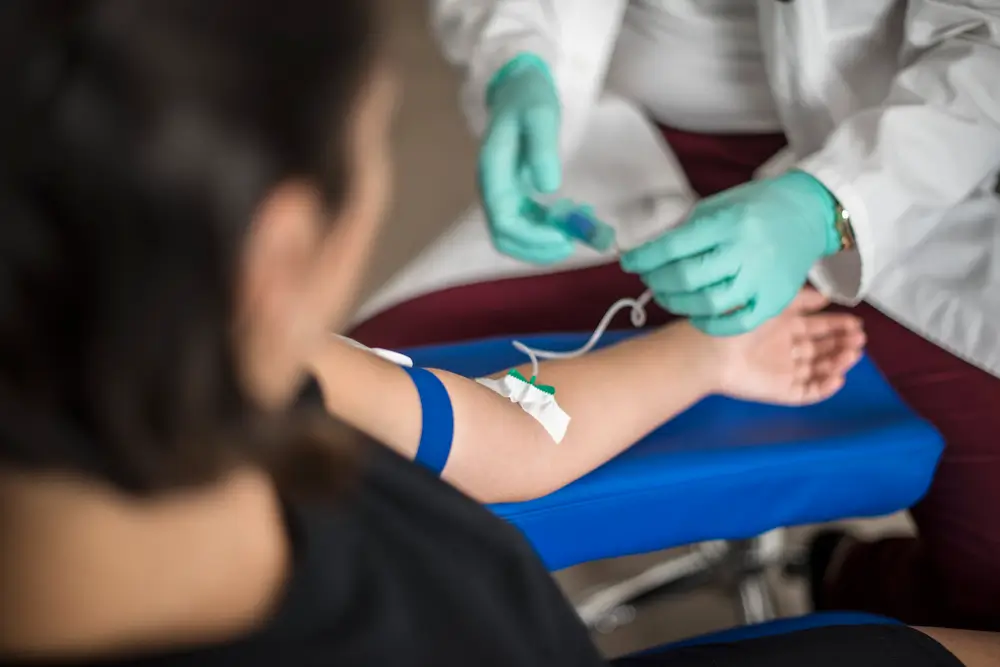
A health routine can mean a lot of things: a morning walk, a sleep schedule, regular checkups. Ketamine therapy is not something you add to that list on your own. It is a supervised medical treatment, administered by trained clinicians, for specific conditions. But it does not exist in isolation from the rest of your health habits either. Sleep, movement, and daily choices can shape how a treatment plan unfolds.
Ketamine Therapy Is a Medical Treatment, Not a Health Trend
Ketamine is FDA-approved as an anesthetic. Its use for depression, anxiety, PTSD, OCD, and chronic pain is considered off-label, with the exception of esketamine for treatment-resistant depression. Off-label does not mean unregulated.
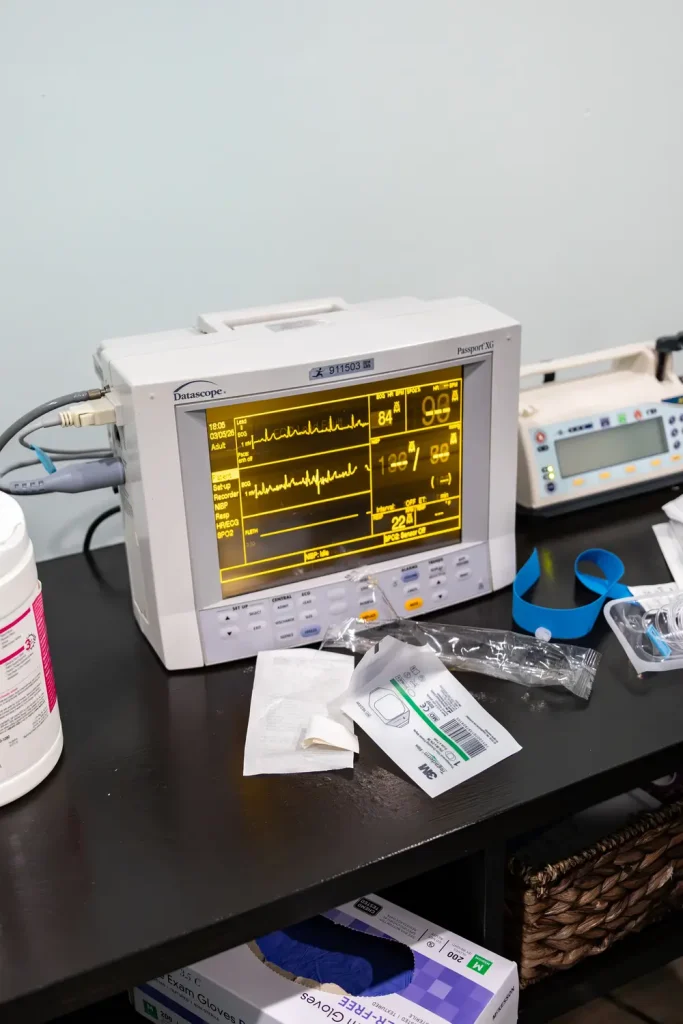
This matters here. Ketamine therapy is never a self-directed wellness choice. It requires a health history review, a candidacy assessment, and ongoing clinical monitoring. It is delivered inside a medical setting, not added to a routine like a supplement.
The Neuroplasticity Window: Why Timing and Habits Matter
Ketamine appears to open a short window of synaptic plasticity in the brain, generally in the day or two following an infusion. During this window, the brain may be more receptive to forming new neural connections. Researchers link this process to increases in brain-derived neurotrophic factor, a protein involved in neuroplasticity and synaptic growth.
This is where habits matter. What a patient does in the hours and days after an infusion may influence how that window is used. This does not mean any single habit guarantees a result. It means the window is a window, not a permanent state.

Habits That May Support Your Treatment Plan
None of the following replace medical care. They are habits your clinical team may discuss with you.
Sleep:
- A consistent sleep schedule supports the brain’s natural repair processes
- Sleep disruption in the days after treatment is common and worth mentioning to your provider
Movement:
- Gentle movement, not intense exercise, is often more appropriate immediately after an infusion
Alcohol and substance use:
- Reducing alcohol intake around treatment days is commonly recommended
- Always disclose current medications and substance use to your clinical team
Working with a therapist:
- Some patients find that therapy sessions scheduled near their infusions feel more productive
- This is sometimes called integration, and it is worth discussing with your care team
Hydration and nutrition:
- Basic hydration and regular meals support general recovery after any infusion-based treatment
Building a Routine With Your Care Team
A health routine that includes ketamine therapy works best when it is coordinated, not layered on your own. This can include:
- Your ketamine provider
- Your psychiatrist or primary care physician, if you have one
- A therapist, if talk therapy is part of your care
- Basic lifestyle habits you already manage, like sleep and movement
A free consultation is the place to start this conversation. This is a chance to talk through your history, your goals, and how treatment might fit into your life.
If You Are Struggling Right Now
If you are having thoughts of suicide or are in crisis, please call or text 988 to reach the Suicide and Crisis Lifeline. Ketamine therapy is not an emergency intervention and is not appropriate for acute crisis situations. If you are in immediate danger, call 911 or go to your nearest emergency room.
A Note on Getting Started
Our team can talk through candidacy, scheduling, and how a treatment plan might fit around your existing routine. Call us to schedule your consultation.
Medical Disclaimer
This article is for informational purposes only and does not constitute medical advice. Please consult a qualified medical professional before beginning any treatment. Ketamine therapy may not be appropriate for all individuals. If you or someone you know is in crisis, call or text 988 to reach the Suicide and Crisis Lifeline.